Serving Richmond, CA and surrounding areas. (510) 660-6436
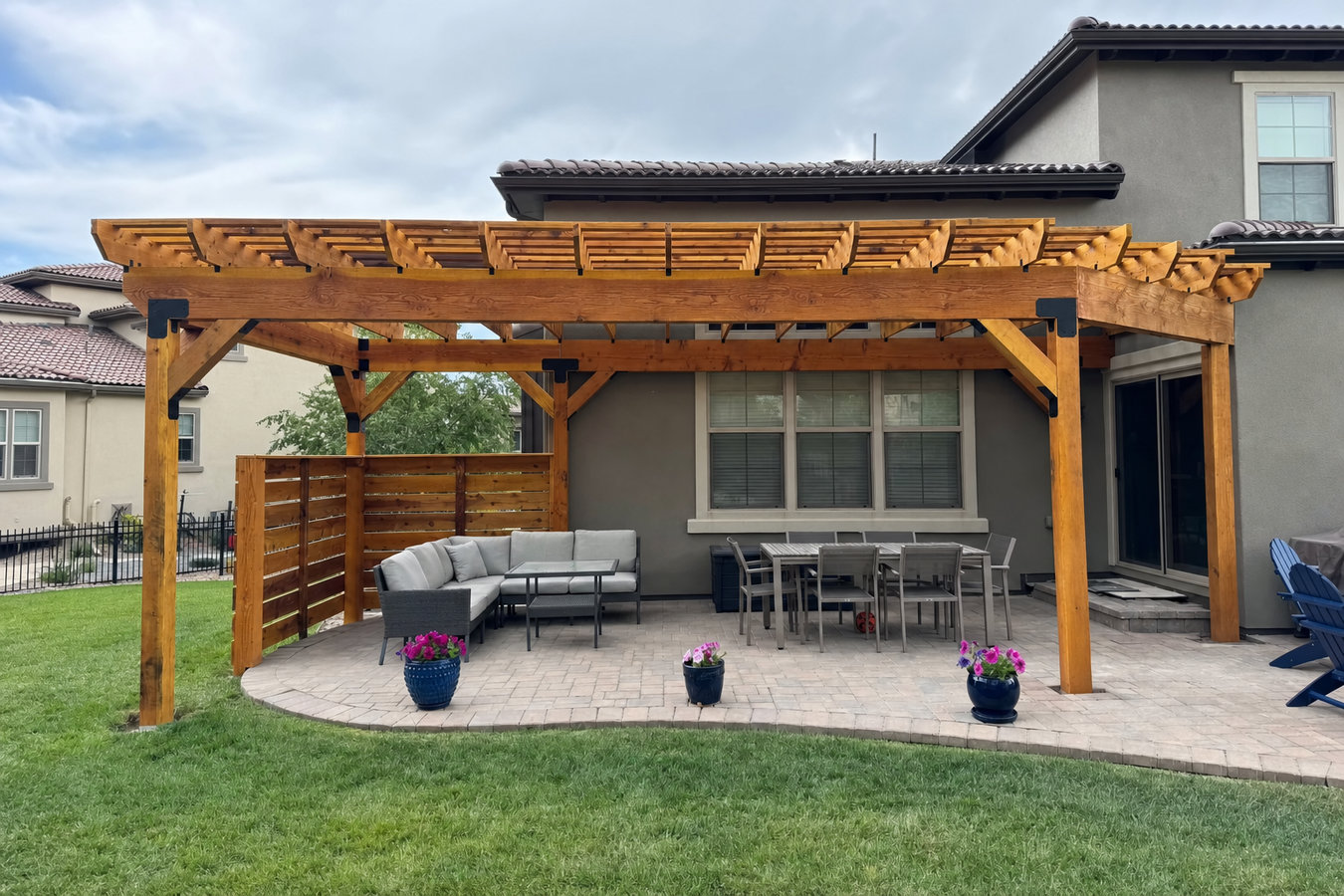
A bare patio or unused slab is a missed opportunity. A properly built pergola gives your yard structure, shade, and a reason to be outside - even when Richmond fog rolls in.
Pergola installation in Richmond, CA involves setting posts into the ground or bolting them to an existing surface, attaching horizontal beams and cross-rafters on top, and applying any lattice, shade fabric, or lighting rough-in you want included - most residential projects take one to three days of construction once materials are on site and permits are approved.
Richmond sits right on San Francisco Bay, and that marine layer - persistent fog, salt air, and afternoon wind through the Carquinez corridor - means material selection and anchoring methods matter more here than in drier inland cities. Cedar and redwood hold up well in this climate. Aluminum is a zero-maintenance alternative. Many homeowners pair a new pergola with a covered patio structure when they want full weather protection alongside the open-beam aesthetic.
Attached pergolas require a building permit from the City of Richmond, and even some freestanding structures do depending on their size. We handle the permit process for every project so the structure is fully documented and legal from day one.
If your outdoor space sits empty because the sun beats down or the Bay breeze makes it feel raw and exposed, a pergola can change that completely. Richmond summers swing between bright glare and cool wind, and a pergola with a shade canopy or climbing plants gives you a comfortable middle ground. If you find yourself going inside rather than sitting outside, your yard needs some structure.
Many Richmond homes built in the mid-20th century have a plain concrete patio that just sits there - not quite a room and not quite a garden. A pergola turns that slab into a destination without requiring a full addition or major construction. If you look at your backyard and feel like something is missing, a pergola often fills that gap.
If you already have an older pergola and you have noticed posts that wobble, wood that is soft or discolored, or beams that have separated from the house wall, those are signs the structure has reached the end of its life. Richmond's marine air accelerates wood decay, especially in structures that were never properly sealed or have post bases sitting directly on concrete. A leaning or rotting pergola is a safety concern, not just an eyesore.
If you have been stringing lights from trees or fence posts and it never looks quite right, a pergola gives you a proper framework to mount lighting, a ceiling fan, or a shade canopy. Planning this as part of a new installation rather than retrofitting later is much cleaner and less expensive. If your outdoor evenings feel improvised, a pergola with built-in electrical rough-in solves that permanently.
We build freestanding pergolas that stand on their own posts and can go almost anywhere in your yard, and attached pergolas that connect directly to your home and use the house wall for support. Both are fully permitted and inspected through the City of Richmond. Attached pergolas tend to cost less because they need fewer posts, but they require proper seismic anchoring into your home's framing - a step we never skip. For homeowners who want full overhead protection rather than an open-beam look, a patio cover is the better fit. For a fully enclosed outdoor room, we can discuss pairing a pergola with a deck and outdoor kitchen build.
Materials include cedar, redwood, aluminum, and vinyl - each with different maintenance requirements and upfront costs. We also coordinate electrical rough-in for lighting, ceiling fans, or motorized shade canopies during construction, which is far more cost-effective than adding it after the pergola is built. Every option is explained plainly during the site visit so you can make an informed choice without pressure.
Best for homeowners who want a defined outdoor area away from the house - over a garden seating area, at the end of a lawn, or as a standalone focal point.
Best for homeowners who want to extend their living space directly off the back of the house, using the home's wall for one side of support.
Best for homeowners who want the warmth and character of natural wood and are comfortable with periodic sealing to handle Richmond's marine climate.
Best for homeowners who want zero ongoing maintenance - no sealing, no staining, and no concern about moisture or salt air over time.
Richmond's location on the edge of San Francisco Bay creates conditions that out-of-area contractors often underestimate. The marine layer rolls in regularly, especially in summer, and the afternoon wind through the bay corridor can put real lateral load on a pergola that is not properly braced. Post bases need to be sealed and elevated off concrete to prevent moisture from sitting at the base of the wood. A pergola built without accounting for this climate can show soft spots and rust within a few years - before it should. Homeowners near San Pablo and further inland see less of this effect, but waterfront Richmond neighborhoods get it consistently.
Richmond is also in an active seismic zone, which affects how structures attached to your home must be anchored. California's building standards require specific post-base hardware and connection methods for earthquake resistance - this is not optional and will be checked during inspection. A significant portion of Richmond's housing stock was built in the 1940s and 1950s, and older homes sometimes have framing conditions that need to be assessed before a pergola is attached. We do that assessment during the site visit, before any price is quoted. Homeowners in El Cerrito and other nearby cities have similar older home situations, and we bring the same care to every project.
We reply within one business day. A short conversation about your space, whether you want it attached or freestanding, and what you hope to use it for is enough for us to determine whether a site visit makes sense. You do not need to have all the answers.
We measure the space, look at the surface the pergola will sit on, and assess drainage, slope, and how the structure will be anchored given Richmond's wind and seismic conditions. You receive a written quote - not a ballpark number over the phone.
If your project requires a permit - and most attached pergolas do - we handle the application with the City of Richmond's Building Division. Processing typically takes a few days to a few weeks. We keep you updated so you never have to make a call to the city.
Most pergolas take one to three days to build. A city inspector visits once work is complete if a permit was pulled. We walk you through the finished structure, cover maintenance steps, and answer any questions before you make final payment.
Free written estimate. No pressure. We handle permits and inspections.
(510) 660-6436The Carquinez Strait and the bay push real afternoon wind through parts of Richmond that can rack a pergola not properly braced. We select materials and anchoring methods suited to local conditions - cedar or redwood sealed for the marine layer, post bases chosen for coastal durability - not a generic design that performs well inland but struggles here.
We submit the permit application with the City of Richmond's Building Division, schedule the inspection, and are present when the inspector arrives. Your pergola is fully documented and legal from day one - which protects you if you ever sell your home. We have never asked a homeowner to handle a single permit step on their own.
Many Richmond homes from the 1940s and 1950s have older framing that needs to be assessed before anything is bolted to them. We inspect the wall attachment point and the surface the pergola will sit on during the site visit - flagging any issues and pricing them honestly before you sign a contract. No surprises mid-project.
One of the biggest concerns homeowners have is getting a low quote and watching the price climb once work starts. You receive a written, itemized estimate before we begin - and we hold to that number unless you ask us to change scope. If something unexpected comes up during the build, we tell you in writing before proceeding.
Every one of these points reflects something we have seen matter in real Richmond projects. Bay Area conditions are not the same as working inland, and older Richmond homes require a level of site assessment that newer construction does not. We bring both to every job. The North American Deck and Railing Association sets the industry best practices we follow for outdoor structure design and construction.
Combine a built-out cooking and entertaining area with a deck platform designed for year-round outdoor living.
Learn MoreAdd a solid or panel roof over your patio for full rain and sun protection with a permanent overhead structure.
Learn MorePermit slots fill up fast in the East Bay - reach out now and we will get your project on the calendar before the summer rush.