Serving Richmond, CA and surrounding areas. (510) 660-6436
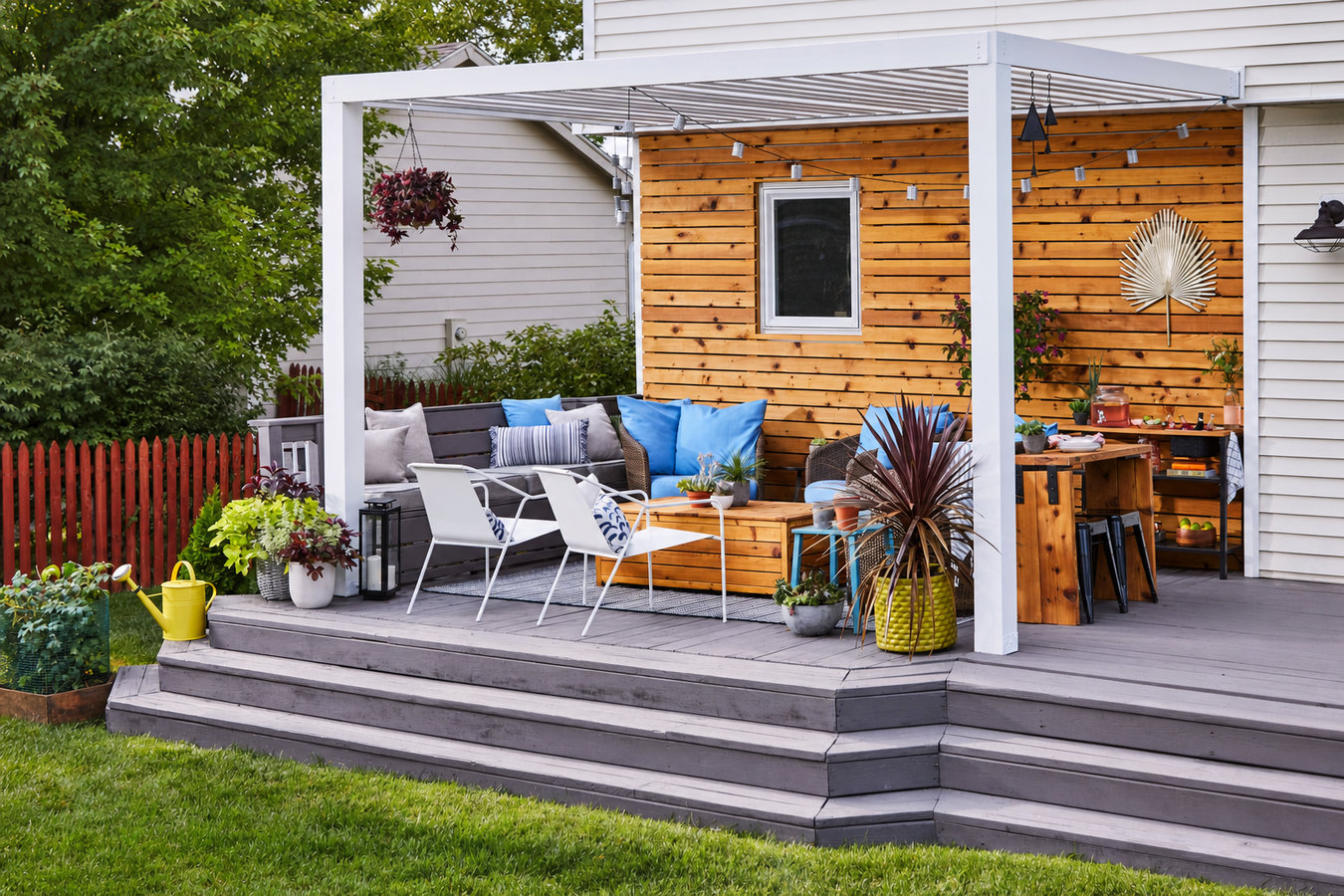
Richmond fog, Bay wind, and summer sun keep a lot of homeowners inside. A properly built covered patio changes that - giving you a sheltered outdoor room you can use morning through evening, most days of the year.
Covered decks and patio covers in Richmond, CA are permanent or semi-permanent roof-like structures built over an outdoor living area that give you a shaded, weather-protected space you can use year-round, most projects take three to ten working days of construction after permit approval from the City of Richmond.
Richmond's marine climate - fog, wind off the Bay, and winter rain between November and March - makes an uncovered patio uncomfortable for a large part of the year. A covered structure creates a microclimate that stays usable through most of what Richmond's weather throws at it. Many homeowners also add a screened enclosure alongside the roof cover for insect protection, or choose a pergola if they want partial shade with a more open overhead feel.
Bay Area contractors specializing in outdoor living structures book out quickly, particularly in late winter and spring when homeowners start planning. Reaching out early gives you more flexibility on start dates and material choices before peak season.
If you stay inside because the patio is too bright, too windy, or too damp to be comfortable, a covered structure would change how you use your home. Richmond's marine layer can make an uncovered patio feel raw and uninviting even on days that look sunny from inside. A covered space creates a sheltered microclimate that makes outdoor time genuinely pleasant most of the year.
If cushions are bleaching out, wood furniture is cracking, or metal chairs are showing rust spots after just a season or two, your patio is taking more sun and moisture exposure than it should. Richmond's combination of UV exposure and coastal moisture is particularly hard on outdoor furnishings. A cover dramatically extends the life of everything underneath it.
If your deck gets direct afternoon sun and becomes too hot to sit on between noon and 5 p.m., a cover is the most effective fix. Adding a cover to an existing deck is often less expensive than building a new structure from scratch, because the platform is already there. You get the shade and weather protection without starting over.
If rain blows onto your back steps or into your doorway during winter storms, a small covered structure over the entry solves the problem while also creating usable outdoor space. This is a common issue in Richmond homes built before the 1970s, which often have exposed rear entries with no overhang. Even a modest attached cover changes the daily experience of coming and going.
We build attached patio covers that connect directly to your home's wall or roofline, and freestanding structures that stand on their own posts anywhere in your yard. Both are fully permitted and inspected through the City of Richmond. Attached covers typically cost less because they use your home's existing wall for support, but both options create genuinely protected outdoor space. If you want the outdoor room fully enclosed against insects, we can combine a roof cover with a screened enclosure. For homeowners who prefer open overhead structure, a pergola provides partial shade with a more architectural feel.
Roofing options include solid aluminum panels, corrugated polycarbonate for filtered light, or wood framing with either a solid or open-lattice top. We also coordinate electrical work for ceiling fans and lighting during construction - far more cost-effective than adding it after the cover is built. Every choice gets explained in plain language during the site visit.
Best for homeowners who want maximum rain and sun protection and prefer a clean roofline that ties into the house.
Best for homeowners who want a covered area away from the house, over a pool deck, or in a specific yard location.
Best for homeowners who want partial shade and a natural wood look with less material weight and more filtered light.
Best for homeowners in Richmond's coastal neighborhoods who want low maintenance, long life, and ceiling fans or lighting.
Richmond's location on the eastern shore of San Francisco Bay means it gets more coastal fog, wind, and marine moisture than inland East Bay cities. That persistent dampness is hard on wood - it accelerates rot, warps boards, and feeds mildew - so material choices matter more here than in drier climates. Homeowners near Point Richmond and the waterfront also deal with stronger Bay winds that require posts set deeper and connections built stronger than a generic patio cover design. We serve homeowners in Hercules and Pinole who face similar coastal and wind conditions, and we build for those environments throughout our service area.
Richmond also has a large share of homes built in the 1940s and 1950s - many with aging fascia boards, older foundations, and backyards that were not designed with modern outdoor living in mind. Attaching a new cover to an older Richmond home sometimes reveals rotted siding or non-standard framing that adds cost if a contractor does not find it during the estimate. We look for exactly these issues before giving you a final price, because the only surprises that should happen on your project are the ones you already approved. The North American Deck and Railing Association provides industry standards for how covered outdoor structures should be designed and anchored - we follow those guidelines on every project.
We reply within one business day. A quick conversation about your space, how you want to use it, and your rough timeline is enough to determine whether a site visit makes sense - no commitment on your end.
We measure the space, look at how your home is built, and assess site conditions that might affect the project. You receive a written estimate that breaks down materials and labor specifically enough that you can compare it fairly to other bids.
Once you sign the contract, we submit the permit application to the City of Richmond's Building Services Division. Plan review typically takes two to four weeks. We keep you updated and confirm your start date as soon as approval comes through.
Most covered patio projects take three to ten working days depending on size. The city inspector visits during framing and at the end. We walk you through the finished structure before you write the last check - posts plumb, roof sheds water away from the house, and any lights or fans tested.
No pressure, no vague ballparks - just a written quote that shows exactly what you are getting so you can compare fairly.
(510) 660-6436Point Richmond and the waterfront neighborhoods see real Bay wind that tests every post anchor and beam connection. We engineer covers for the conditions at your specific address - not a generic design that works in a sheltered inland yard but flexes every time the Bay breeze picks up.
We handle the full permit application with the City of Richmond's Building Services Division. A city inspector reviews the framing during construction and signs off at the end - meaning your finished cover is on record as a safe, inspected addition that adds value rather than creating questions at resale.
Many Richmond homes were built in the 1940s and 1950s, and attaching a new cover to them sometimes reveals rotted fascia, non-standard framing, or a slab that is not level. We flag every issue during the site visit and price it into the estimate honestly - no surprises mid-project.
You receive a detailed written estimate before we start. If the site inspection reveals anything that adds cost - rotted fascia that needs replacing before the cover can attach - we tell you upfront and get your approval before proceeding. The invoice at the end matches what you agreed to at the start.
A covered patio is a long-term investment - a well-built one should last 20 or more years in Richmond's climate. The difference between a cover that holds up and one that warps, rusts, or leaks at the wall junction comes down to materials and how carefully the work is done. Verify any contractor's CSLB license before signing - it takes about two minutes and tells you whether they are active, insured, and in good standing.
Have a question not covered here? Send us a message and we will reply within one business day.
Open-beam overhead structure that adds shade and definition to your outdoor space without a solid roof.
Learn MoreEnclose your deck or porch with mesh panels to keep insects and debris out while keeping the air in.
Learn MorePermit slots fill up - the sooner we submit your application to the City of Richmond, the sooner your covered outdoor space is ready to use.